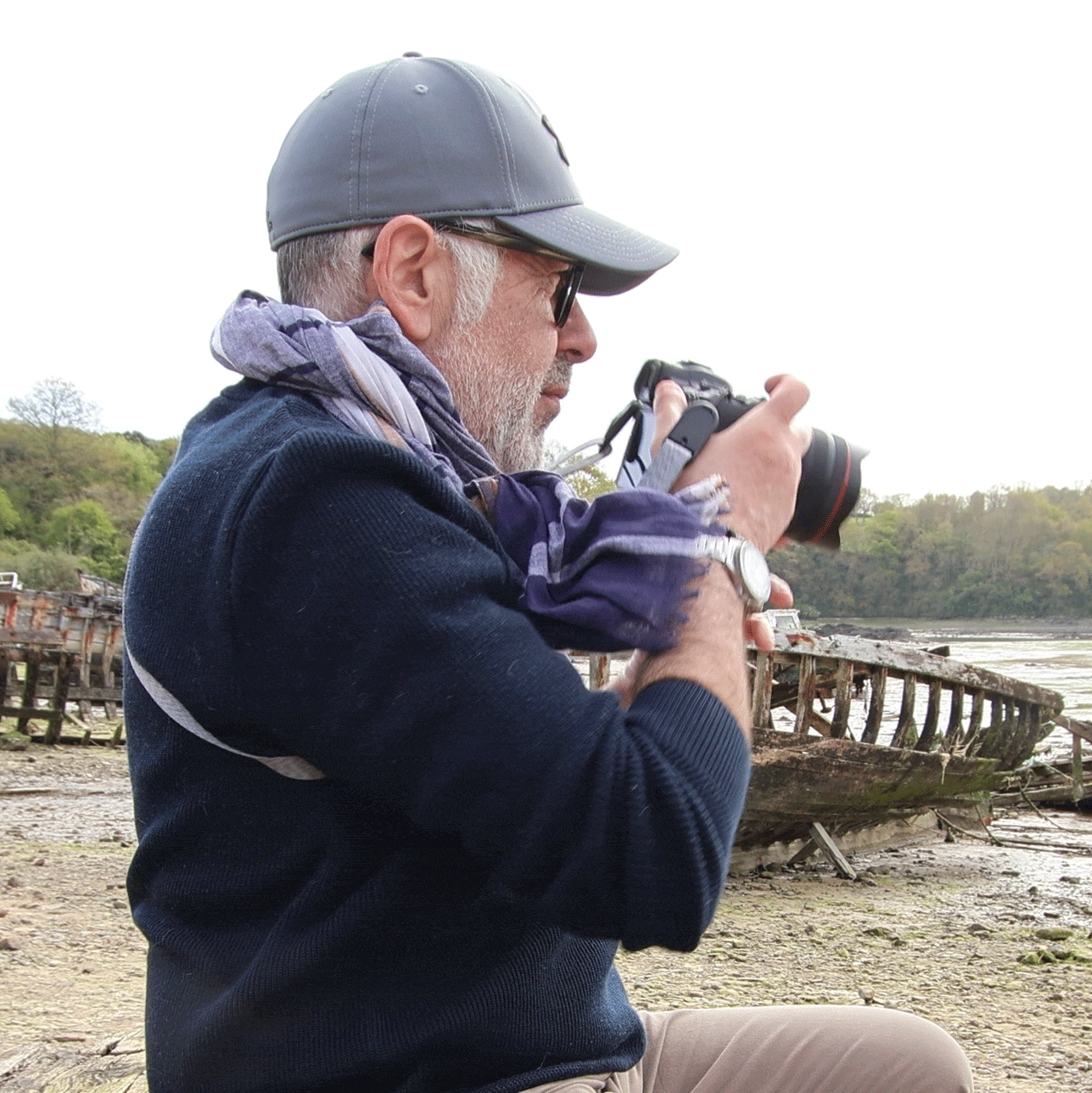
In 1983, I took my first photograph on the Atlantic coast of Brittany. I had no teacher, no YouTube, no community. I had a camera, the tide tables, and what would become four decades of trial, error, and slowly learning to see.
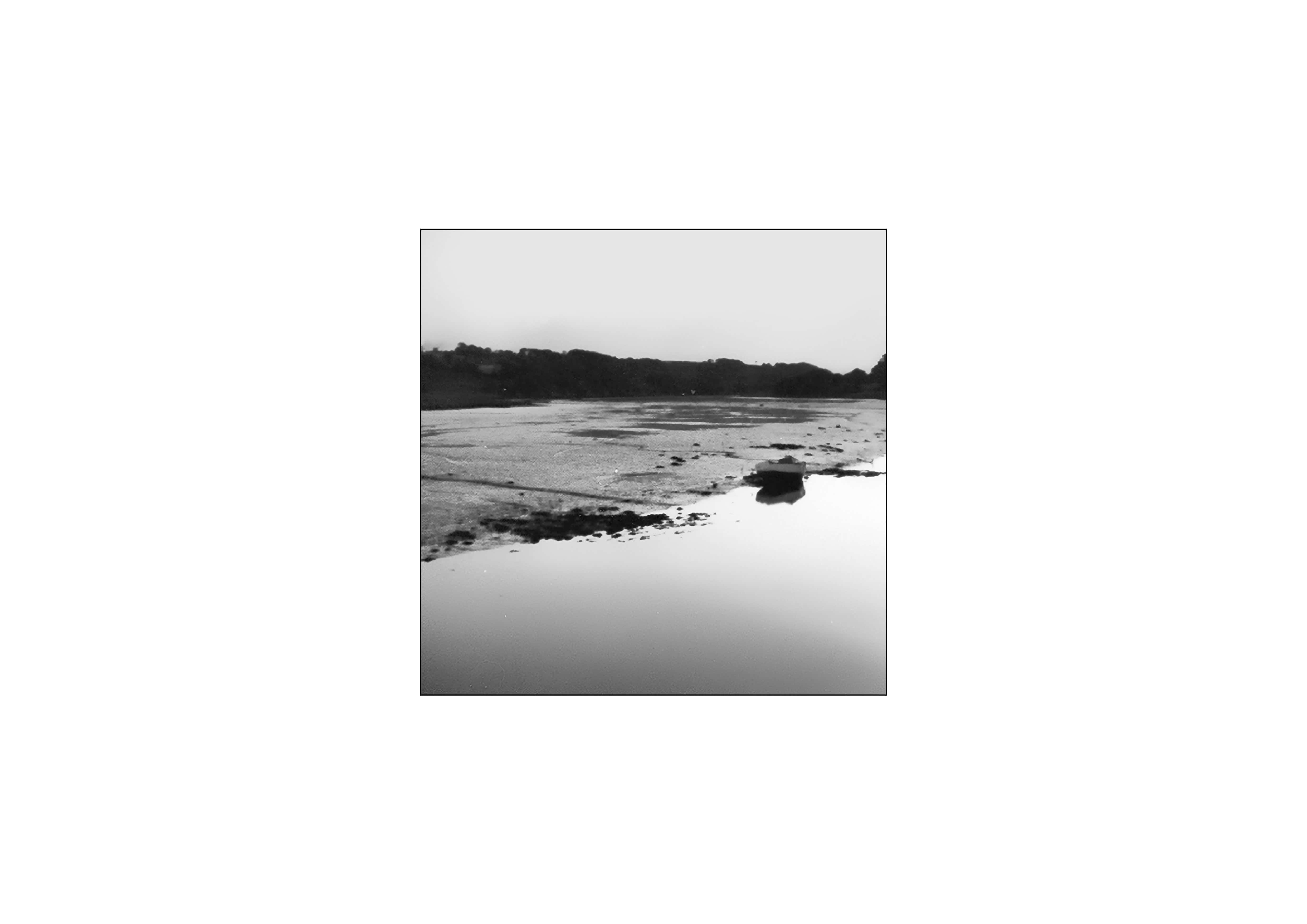
Photography is, at its core, a solitary discipline. You stand at the edge of the land in the dark and you wait for the light to do what it will. Nobody can do that for you. But the path to seeing — to translating what you witness into images that carry weight — does not have to be as long, or as lonely, as mine was.
Over four decades, working the rocky coastlines of Finistère and the Isle of Skye across every season and every kind of weather, I made every mistake it is possible to make. Wrong tides, wrong light, wrong focal length, wrong moment to press the shutter. I misread the fog rolling in off the Atlantic on the Crozon peninsula and lost the shot I had driven three hours to make. I also made images I am still proud of — and slowly understood why they worked, which mattered far more than the images themselves.
What I did not have was anyone to shorten the distance between confusion and clarity. That is what landscape photography coaching, at its best, is supposed to do.
Let’s clear the ground first
The word coaching is used loosely in the photography world, and it is worth being precise about what it is not — because the confusion leads photographers to seek the wrong kind of help for what actually troubles them.
- A technical course — exposure, hyperfocal distance, ND filter stacking: these are learnable from well-written guides and field practice
- A generic critique service — “your horizon is slightly tilted” is feedback, not coaching
- A masterclass where an expert demonstrates and you observe
- A preset pack or a Lightroom workflow tutorial
The technical foundations of landscape photography — understanding hyperfocal distance, working with long exposure and graduated filters, reading the quality difference between golden hour and blue hour light — these are teachable, learnable, and I have written about all of them at length. They are necessary. But they are not what coaching addresses.
“Most photographers who come to me are not failing technically. They are failing to translate what they know into images that feel true.”
— Olivier, Photovag.art · Coaching since 2019The three real obstacles
After forty years in the field and some years of working closely with photographers at different stages of their practice, the same patterns surface. There are essentially three kinds of genuine blockage — and they require different kinds of conversation to resolve.
The third is the most common. And it is the one that forty years on Atlantic coastlines prepared me to address directly. I have shot in driving rain off the Crozon peninsula, dialling exposure manually on a Canon R6 while the spray came horizontal and the fog closed in around the granite stacks. I have waited three hours in cold darkness on the cliffs above Portree for a light that never came — and then turned around to find it arriving from entirely the wrong direction, exactly as I had given up. I have learned that bad weather is not the enemy. The enemy is the belief that conditions must be perfect before anything is worth attempting.
What four decades on the Atlantic coast actually teaches you
It does not teach you to take great photographs every time. That is not possible. What it teaches you is pattern recognition of a very particular kind — the specific quality of October light in Finistère versus June, the way fog settles differently on a rocky coastline in autumn than in spring, the way a swell reads from a cliff edge before it reaches the rocks below, the precise window between dead tide and the first movement when the reflection on wet sand holds. Photographing the tides of coastal France — Brittany especially, where coefficients swing between 40 and 110 and the timing of everything depends on reading the sea’s calendar — sharpens a kind of attentiveness that no classroom can replicate.
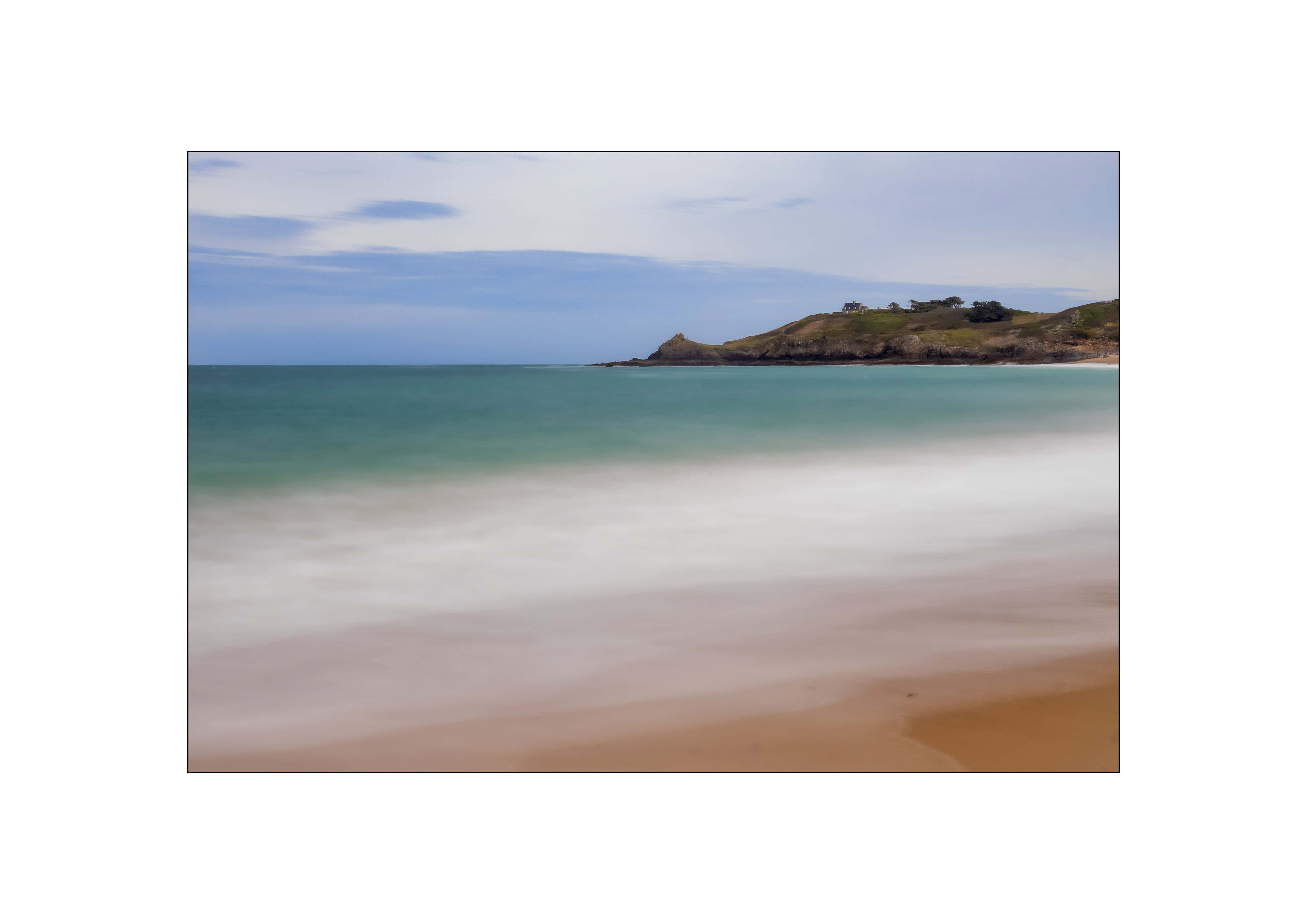
It also teaches you something more difficult to name: how to stay present when the scene is not delivering, and how to recognise the image that is actually available rather than insisting on the one you planned. The three series I have built over this period — Memory of Granite, The Fury and the Grace, Atlantic Silences — are not the product of technical mastery alone. They are the product of failing productively, over a very long time, in the same landscapes. The Finistère photography spots I return to season after season — the Pointe du Raz in westerly gales, the sheltered inlets of the Aulne estuary at blue hour, the granite sea stacks of the Iroise coast in fog — look different every time. The Isle of Skye photography locations I have worked since the early 2000s — Elgol, Neist Point, the Trotternish Ridge — have taught me that a location is not a composition: it is a conversation that restarts every visit.
“The landscape does not adapt to your vision. You adapt your vision to the landscape. That shift — from imposition to attention — is the whole of it, really.”
— Forty years on the Atlantic coastThat experience is what I bring to a coaching conversation. Not a checklist. Not a formula. A trained capacity to locate, in your work and in your practice, exactly where the disconnect lives — and to propose a path through it that is specific to you, your gear, your locations, and the kind of photographer you are trying to become.
What a session actually looks like
There are three ways to work together, depending on where you are and what you need.
All sessions take place by video call. You need nothing except your images, your questions, and an honest account of where things currently stand.
Who this is — and isn’t — for
Coaching is not the right answer for every photographer at every stage. Here is an honest assessment.
- Past the basics but feeling genuinely stuck
- Technically capable but dissatisfied with your images
- Lacking field confidence despite solid technical knowledge
- Serious about coastal or landscape work and wanting experienced perspective
- Looking for a thinking partner, not a teacher
- Are a complete beginner — start with the free coastal field guide
- Need long exposure sea photography tips or golden hour technique — the technique guides cover these thoroughly
- Are looking for an Isle of Skye photography locations guide or Finistère spot report — check the field articles
- Are looking for portfolio review only, without ongoing dialogue
The honest case
Coaching will not replace the hours you need to spend on location. It will not manufacture sensitivity to light, or patience, or the particular attentiveness that fieldwork demands. Those can only be built by showing up, repeatedly, in conditions that are inconvenient and unpredictable and occasionally magnificent.
What it can do is compress the timeline. Help you identify, precisely and early, the specific things that are actually limiting your work — rather than spending years circling around them as I did. Forty years taught me things I am glad to know. They also took forty years.
You do not need to take that long.
If you are curious whether this might be useful for you specifically, the Discovery Session exists for exactly that reason. It is free, it takes thirty minutes, and the only outcome is clarity — either about how to work together, or about what would genuinely serve you better.
Leave a Reply